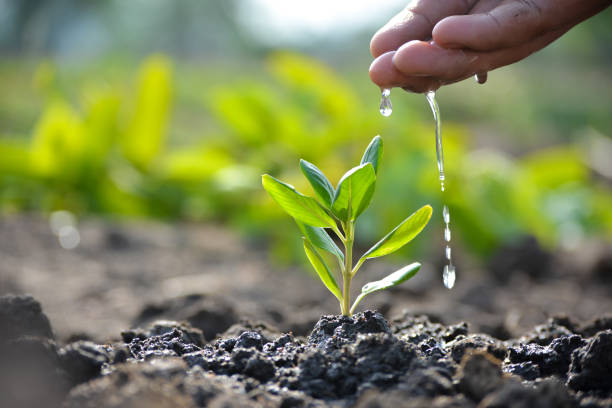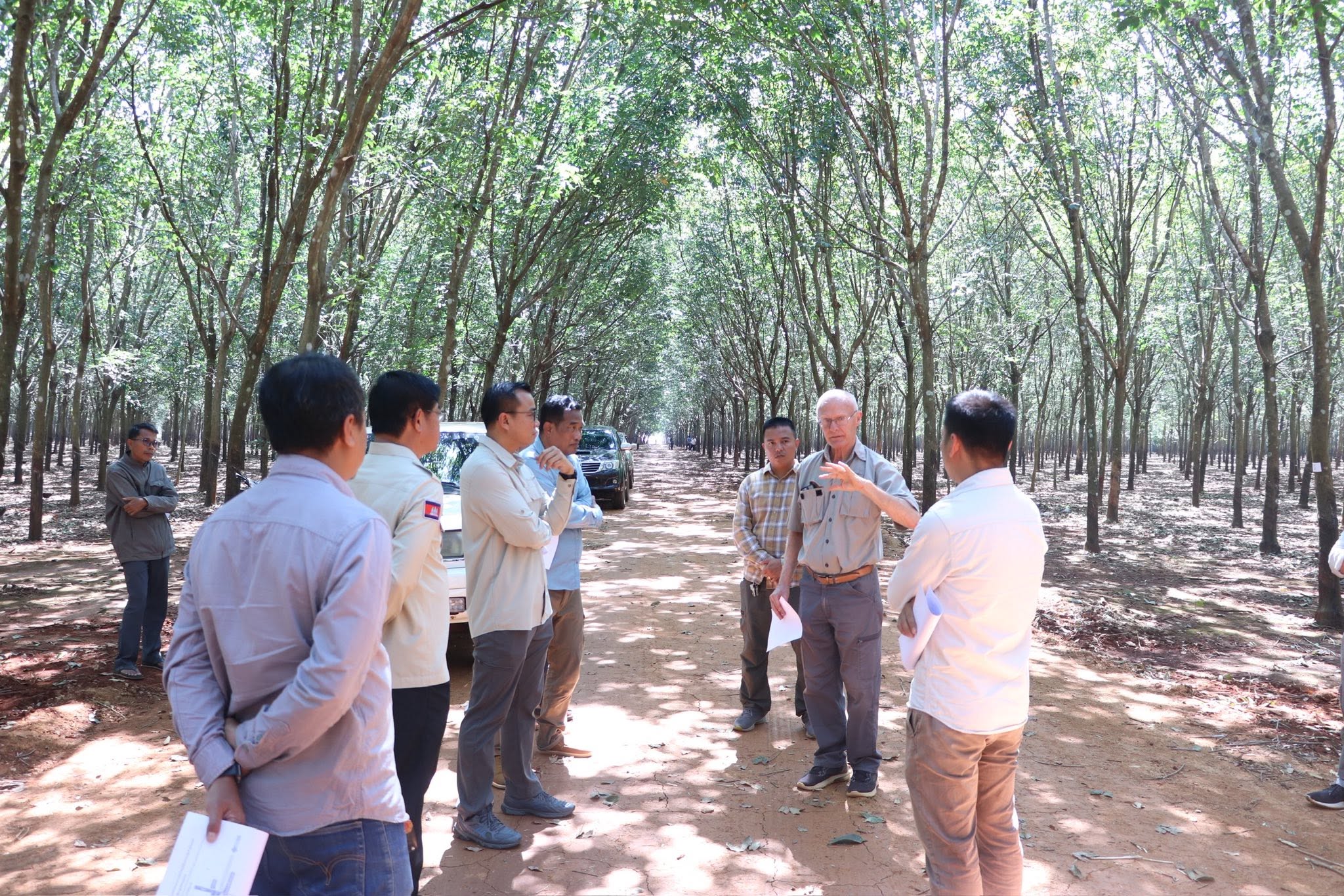
Every tonne of exported rubber begins as latex flowing from a tapping cut at dawn. Getting from that drop to a graded, containerised shipment involves a chain of carefully controlled steps — and each one is an opportunity to add or lose value.
Collection and preservation come first, followed by coagulation, milling and drying into the physical form the market wants: sheet, block or concentrate. Laboratory grading then certifies exactly what is inside each bale.
From there the product enters logistics — palletised, documented and moved to port with the origin and quality records buyers increasingly require.
Cambodian producers that control this chain end to end can compete not just on price but on consistency and traceability, the two attributes the modern rubber market rewards most.